
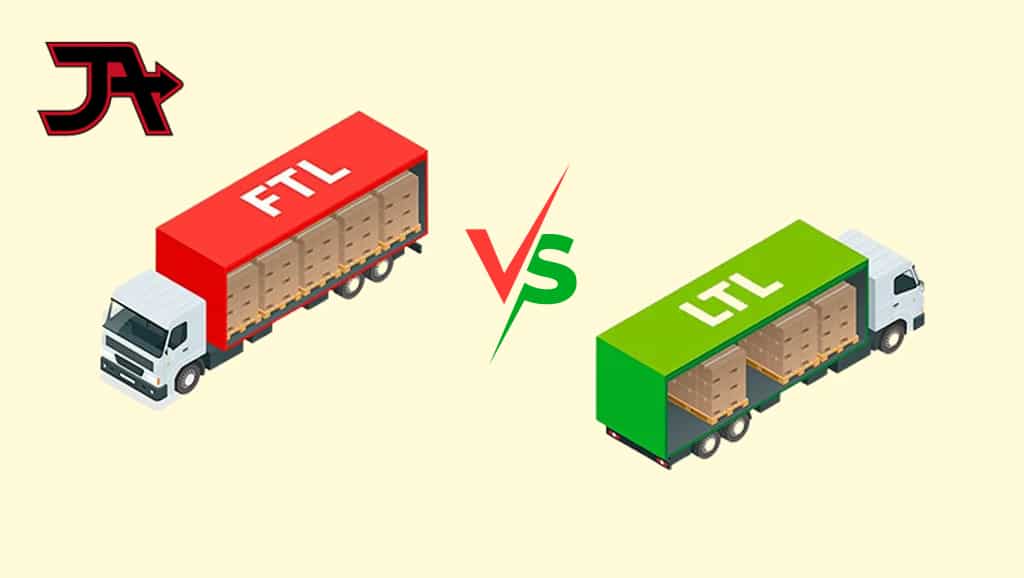
Introduction:
Choosing the right freight shipping method can significantly impact your costs, delivery time, and overall logistics efficiency. Two of the most common options in the industry are Less-Than-Truckload (LTL) and Full Truckload (FTL) shipping. Each has its own advantages depending on shipment size, urgency, and budget.
For companies like J&A Transportation, helping clients select the most efficient freight solution is key to optimizing supply chains and reducing unnecessary expenses. In this guide, we break down the differences between LTL and FTL to help you determine which option best fits your shipment.
1. What is LTL (Less-Than-Truckload) Shipping?
LTL shipping is ideal for smaller shipments that do not require an entire truck. Multiple shipments from different customers are consolidated into one truck, allowing businesses to share transportation costs.
This makes LTL a cost-effective option for companies shipping smaller freight volumes. However, since shipments are combined, there may be multiple stops along the route, which can slightly increase transit times.
At J&A Transportation, we use optimized routing and advanced logistics planning to ensure that LTL shipments remain efficient, reliable, and cost-effective.
2. What is FTL (Full Truckload) Shipping?
FTL shipping is used when a shipment requires the entire capacity of a truck. This option is best suited for large, heavy, or high-volume shipments that need to move directly from origin to destination.
Because FTL shipments are not shared with other customers, they typically offer faster delivery times, reduced handling, and lower risk of damage. This makes FTL an excellent choice for time-sensitive or fragile goods.
J&A Transportation provides dedicated FTL services to ensure direct routes, improved security, and maximum efficiency for large shipments.
3. Key Differences Between LTL and FTL
Understanding the differences between LTL and FTL helps businesses make informed shipping decisions:
- Cost: LTL is generally more affordable for smaller shipments since costs are shared. FTL may be more expensive but becomes cost-efficient for large loads.
- Transit Time: FTL is typically faster due to direct delivery. LTL may take longer because of multiple stops and transfers.
- Handling: LTL shipments are handled more frequently, increasing the risk of minor damage. FTL shipments have minimal handling.
- Flexibility: LTL offers flexibility for smaller, frequent shipments, while FTL is better for bulk or high-priority freight.
At J&A Transportation, we help clients evaluate these factors to select the most efficient and cost-effective option.
4. When Should You Choose LTL vs FTL?
Choosing between LTL and FTL depends on your specific shipping needs:
Choose LTL if:
- Your shipment is small (typically under 10,000 lbs)
- You want to minimize shipping costs
- Delivery time is flexible
Choose FTL if:
- You have large or heavy shipments
- You need faster delivery
- Your goods are fragile or high-value
- You prefer minimal handling
Our team at J&A Transportation works closely with clients to assess shipment size, urgency, and budget to recommend the best freight solution.
5. How J&A Transportation Helps You Decide
Selecting between LTL and FTL can be complex, especially when balancing cost and efficiency. That’s where J&A Transportation comes in.
We provide tailored freight solutions based on real-time data, route optimization, and years of industry expertise. Whether you need cost-effective LTL shipping or dedicated FTL services, our team ensures your freight moves smoothly and efficiently.
Conclusion
Both LTL and FTL shipping play essential roles in modern logistics. The right choice depends on your shipment size, timeline, and overall business goals.
At J&A Transportation, we’re committed to helping our clients make smarter shipping decisions. By understanding the differences between LTL and FTL, you can optimize your supply chain, reduce costs, and improve delivery performance.
If you’re unsure which option is right for your next shipment, our team is here to help you choose the most efficient and reliable freight solution.